
In the evolving landscape of home textiles, traditional craftsmanship is experiencing a remarkable revival. One emblematic example of this trend is the flourishing collaboration between China and Vietnam in the realm of hand embroidery. This cross-border partnership is not only revitalizing ancient artistic techniques but also injecting fresh vitality into the modern textile industry, blending heritage with innovation.
Hand embroidery has long been cherished in both China and Vietnam for its intricate designs, cultural symbolism, and the meticulous skill required to produce it. The tradition goes beyond mere decoration; it embodies the spirit of community, history, and artistic expression passed down through generations. Today, the renewed focus on these skills highlights a shared appreciation of cultural heritage and the potential for hand-embroidered products to compete in global markets seeking authenticity and high quality.
At the forefront of this integration between tradition and commercial viability is Shijiazhuang Kingsun Textile Imp. & Exp Co., Ltd., a respected name in the home textile industry. With many years of experience, the company has specialized in producing a wide range of household textiles, including tablecloths, curtains, napkins, and various kitchen supplies. By incorporating traditional hand embroidery techniques, this company aims to set new standards in product quality and aesthetic appeal.
### The Rich Heritage of Hand Embroidery in China and Vietnam
Both China and Vietnam boast centuries-old centers of embroidery that have nurtured exquisite techniques, from the delicate silk-thread work in Chinese Suzhou embroidery to the vibrant, patterned creations characteristic of Vietnamese ethnic minorities. These crafts reflect local stories, beliefs, natural surroundings, and social identity. For example, Chinese embroidery often features intricate floral patterns and auspicious symbols, while Vietnamese hand embroidery highlights bold colors and geometric shapes revealing cultural narratives.
Reviving these maker traditions serves a dual purpose: preserving cultural identity and boosting local economies by creating new job opportunities in rural areas where these crafts originated. Moreover, hand embroidery is inherently sustainable, relying on natural materials and manual labor, and offering a counterpoint to fast-fashion and mass production that have dominated recent decades.
### Integration into Modern Home Textiles
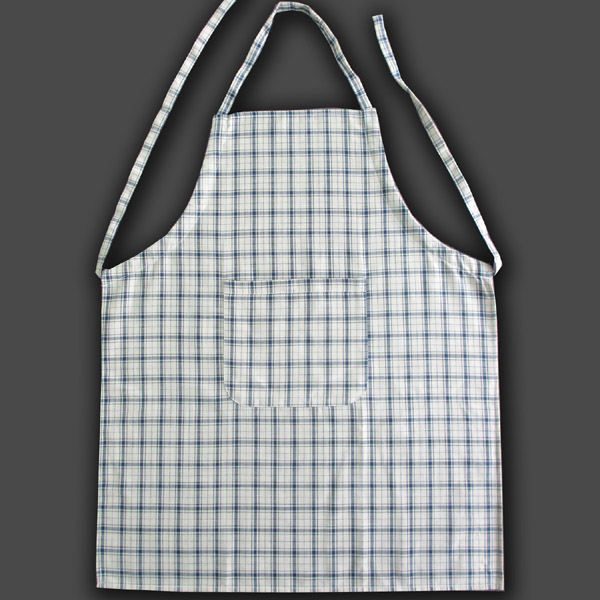
Shijiazhuang Kingsun Textile Imp. & Exp Co., Ltd. has embraced this traditional art form as a strategic element of their product development. Their collections of tablecloths, curtains, napkins, and kitchen textiles now feature exquisite hand-embroidered details that enhance the tactile and visual experience of everyday household items. The delicate embroidery brings elegance and uniqueness to what might otherwise be considered utilitarian products, allowing consumers to infuse their living spaces with artistry and heritage.
In adopting hand embroidery, the company ensures that the manufacturing processes respect the craftsmanship’s integrity, often collaborating directly with skilled artisans. This collaboration supports fair employment and sustains craftsmanship communities in Vietnam, fostering bilateral cultural and economic ties. The high-quality output also addresses a growing global market demand for authentic, eco-friendly, and artisanal goods, positioning these hand-embroidered textiles competitively in international arenas.
### Economic and Cultural Impacts
The China-Vietnam hand embroidery partnership extends beyond artistry; it is a vital economic bridge between two nations. Vietnam’s rich embroidery tradition and skilled labor force complement China’s robust manufacturing infrastructure and global trade networks. This synergy enhances product innovation and market expansion while supporting the preservation of endangered cultural crafts.
Moreover, this initiative aligns with broader industry trends where consumers increasingly favor products with authentic stories and cultural depth. By offering hand-embroidered textiles, companies can connect emotionally with buyers who value craftsmanship and sustainability, differentiating themselves in a crowded marketplace.
The partnership also contributes to sustainable rural development. Many embroidered fabrics originate from village workshops and family cooperatives, providing stable income to artisans and their communities. As demand for these products grows internationally, it encourages younger generations to continue learning and innovating traditional embroidery rather than migrating to urban centers for other employment.
### Future Prospects and Challenges
Looking ahead, the integration of hand embroidery in home textiles offers exciting opportunities. Advances in e-commerce, digital marketing, and international trade policies can further expand the reach of these artisanal products. Enhanced design collaborations that incorporate modern and traditional elements may attract new customer segments and rejuvenate interest in heritage crafts worldwide.
Nevertheless, challenges remain, including balancing mass production pressures with the slow, meticulous nature of hand embroidery, maintaining quality standards, and ensuring the sustainable sourcing of materials. Preserving the authenticity of craftsmanship while scaling operations requires careful management and ongoing artisan support.
Shijiazhuang Kingsun Textile Imp. & Exp Co., Ltd. continues to lead with a vision of sustainable development rooted in cultural respect and commercial excellence. Their efforts demonstrate how traditional craftsmanship can thrive in contemporary business environments, bringing together history, community, and innovation in every stitch.
### Conclusion
The revival of hand embroidery through China-Vietnam cooperation exemplifies how traditional crafts can enrich modern industries and cultural exchange. By integrating hand embroidery into their range of home textile products — including tablecloths, curtains, napkins, and kitchen textiles — companies like Shijiazhuang Kingsun Textile Imp. & Exp Co., Ltd. are setting benchmarks for quality, sustainability, and cultural appreciation.
This collaboration not only preserves invaluable heritage but also creates meaningful economic opportunities, fosters cultural dialogue, and meets the evolving demands of discerning consumers worldwide. As this partnership grows, the timeless beauty of hand embroidery will continue to adorn homes globally, bridging past and present with skill and artistry.